
Timeline for ADHD medication initiation
Some parents and carers find it useful to understand in detail the timeline for initiating medication for the treatment of ADHD symptoms.
This timeline is a “best-case scenario” for starting medication for ADHD and illustrates what is likely to be required, and the timescales needed to find the right medication at the right dose.
More appointments might be needed if there are medical complications prior to starting medication, side effects from the medication or the first-line medication trialled does not help with symptoms of ADHD and a second medication needs to be tried.
-
Face to face at Centennial Medical Care - 90 minutes
Dr Banham reads and summarises any previous assessments before the initiation appointment
Family complete SNAP-IV questionnaires pre-appointment to measure impact of ADHD symptoms
Height, weight, pulse and BP measured in clinic
At the appointment we will:
Explore the impact of ADHD symptoms on functioning
Discuss approaches to manage ADHD symptoms that don’t require medication
Complete a detailed medical and family history to assess the safety of using stimulant medication for ADHD
Discuss the topic of medication for ADHD;
practicalities about taking medication
how the medication will improve symptoms
possible side effects
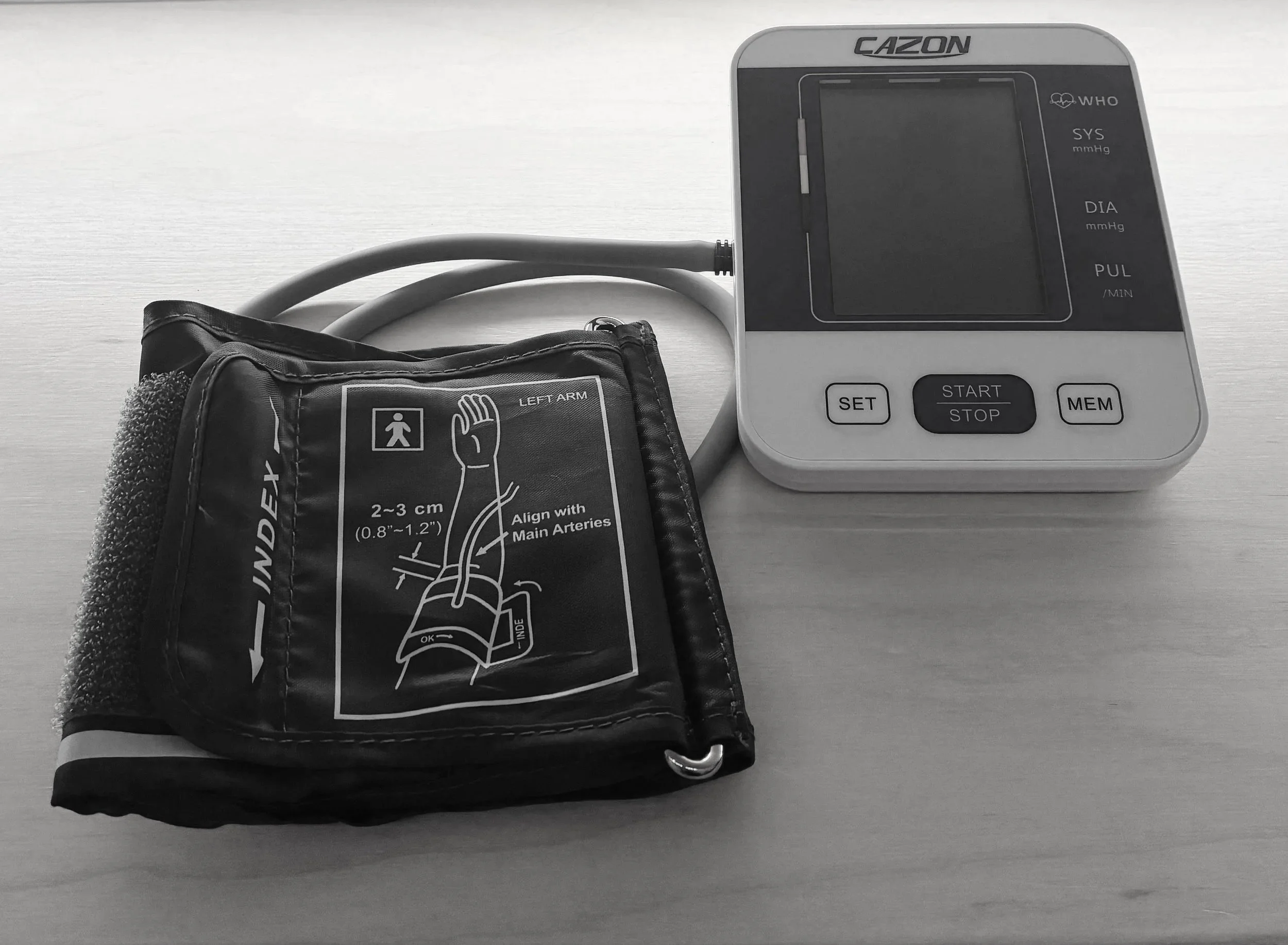
how to monitor the medication at home (home blood pressure monitoring, height, weight, side effects)
Agree shared goals; how will we know medication is making a difference
Start medication if all in agreement (paper prescription issued; medication can be collected from CMC Pharmacy, if desired)
Dr Banham writes a summary letter to family, GP and/or referrer
-
Young person trials medication
Family monitor pulse and blood pressure and share pulse/BP readings via email
Dr Banham responds to any questions or concerns over email
-
online or face to face - 30 minutes
Review side-effects from medication (the small starting dose is used to assess how tolerable the medication is)
Consider whether the medication has had a positive effect on symptoms.
If there are no side effects, we may increase the dose further
Dr Banham issues a prescription
Dr Banham writes a summary letter to family, GP and/or referrer
-
Young person trials medication
Family monitor pulse and blood pressure and share pulse/BP readings via email
Dr Banham responds to any questions or concerns over email
-
online or face to face - 30 minutes
Review side-effects and impact on symptoms from medication
If there are no/few side effects but further symptom control is needed, we may increase the dose.
Dr Banham issues a prescription
Dr Banham writes a summary letter to family, GP and/or referrer
-
Young person trials medication
Family monitor pulse and blood pressure and share pulse/BP readings via email
Family/school may be asked to complete a SNAP questionnaire to measure any symptom change.
Dr Banham responds to any questions or concerns over email
-
online or face to face - 30 minutes
Review benefits/side-effects from medication
Review BP/pulse/height/weight
If there are no/few side effects, and significant positive effects from the medication, either increase or continue dose
Dr Banham issues a prescription, as needed.
Dr Banham writes a summary letter to family, GP and/or referrer
Discussion re when a shared care agreement with GP would be appropriate.
If the GP agrees, then subsequent prescriptions can be issued on GP repeat prescription. If not, Dr Banham can continie to issue private prescriptions
If appropriate, we can move to 3-6 monthly follow-up appointments.
-
This can be face to face or online and would be 45 minutes
Dr Banham will review height, weight, BP/pulse
Dr Banham will review symptom control and side-effects and adjust medication as needed.
Dr Banham will write a summary letter to family, GP, referrer
Dr Banham will issue a private prescription
This frequency of review will continue until the child/young person is 18 or until there is handover to another supervising clinician such as NHS CAMHS